On Wednesday, in a case called the first of its kind, the
2nd U.S. Circuit Court of Appeals
acknowledged that human nature and the internet already added a “marginal” risk on jurors taking indictments home, but that by itself was insufficient to overturn a conviction as of a denial of fair trial. The Court of Appeals also held that in the instant case, the trial judge acted within the perimeters of law by allowingjurors
review the indictment by taking it home to read after deliberations had begun. However the Court of Appeals also observed that “the better practice weighs against the experiment undertaken here.”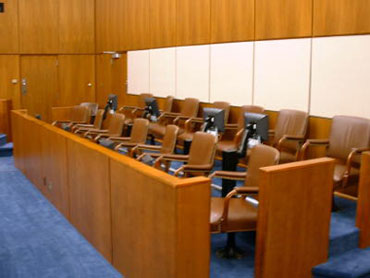
The case involved the indictment of Esso and six others over a scheme involving false representations in the mortgage application process that they committed in 2006 and 2007. During the trial, and after an hour of deliberations, Esso’s jury had asked permission of the trial court to “take the indictment home to carefully read.” U.S. District Judge Shira Scheindlin had allowed the jury its request. She instructed the jurors not to show it to anyone and observed that it “saves some time,” while warning them not to “even think of going on the Internet.” Next day, Esso was convicted.
trial procedures
for the common good.Lynch wrote, “In the age of electronic information, there is already a significant risk that jurors will
conduct research
… just as there has always been a risk that jurors will be tempted to discuss the case, which consumes their daily attention, with family members and friends… The marginal additional risk created by allowing jurors to take home a copy of the indictment seems to us small compared to the risks that already exist due to modern technologies and the persistent features of human nature.”The case is U.S. v. Esso, 2nd U.S. Circuit Court of Appeals, No. 11-570.